What is Intensive Care?
The difference between intensive care and critical care is one of the most frequently asked questions among families when facing critical medical conditions that require rapid and specialized medical intervention. In such moments, time becomes a decisive factor in choosing the appropriate place for treatment, as every minute can make a significant difference in saving a patient’s life or improving their condition.
Understanding the nature of both intensive care and critical care, as well as the fundamental differences between them in terms of the types of cases admitted, the level of medical equipment, and the type of monitoring patients receive, is essential. Here, the importance of specialized healthcare providers such as Curexmed becomes evident—not only in delivering medical services but also in providing accurate guidance and consultation to ensure that patients are directed to the most suitable department based on their condition, while maintaining the highest levels of safety and continuous care.
In fact, intensive care refers to a highly equipped medical unit with advanced technologies and specialized medical teams trained to handle life-threatening conditions such as coma, respiratory failure, and severe trauma. These patients require continuous, real-time monitoring and advanced therapeutic interventions.
On the other hand, critical care is a broader and less complex concept in terms of patient severity. It is often used to describe specialized medical services for chronic conditions or patients who require continuous medical support but are not in immediate life-threatening danger—such as elderly patients needing close observation or post-operative patients. This ensures appropriate treatment with efficiency and attention, while avoiding unnecessary medical burdens.
Understanding the difference between intensive care and critical care greatly facilitates decision-making for families and reduces stress during critical situations. It also helps healthcare providers direct each patient to the most appropriate unit based on their precise medical condition. At Curexmed, every case is carefully evaluated to determine whether the patient requires intensive care or critical care, ensuring optimal outcomes through a patient-centered and human-focused approach.
What is Critical Care?
When we hear the term critical care, we often associate it with severe medical conditions that require close monitoring. However, the difference between intensive care and critical care, while linguistically subtle, can reflect varying levels of medical intervention depending on the context.
Intensive care is typically associated with highly specialized units equipped with advanced technology and staffed by trained professionals to manage life-threatening conditions. In contrast, critical care may refer to a broader system of medical and nursing support that includes close monitoring but may not always involve the advanced interventions found in intensive care units.
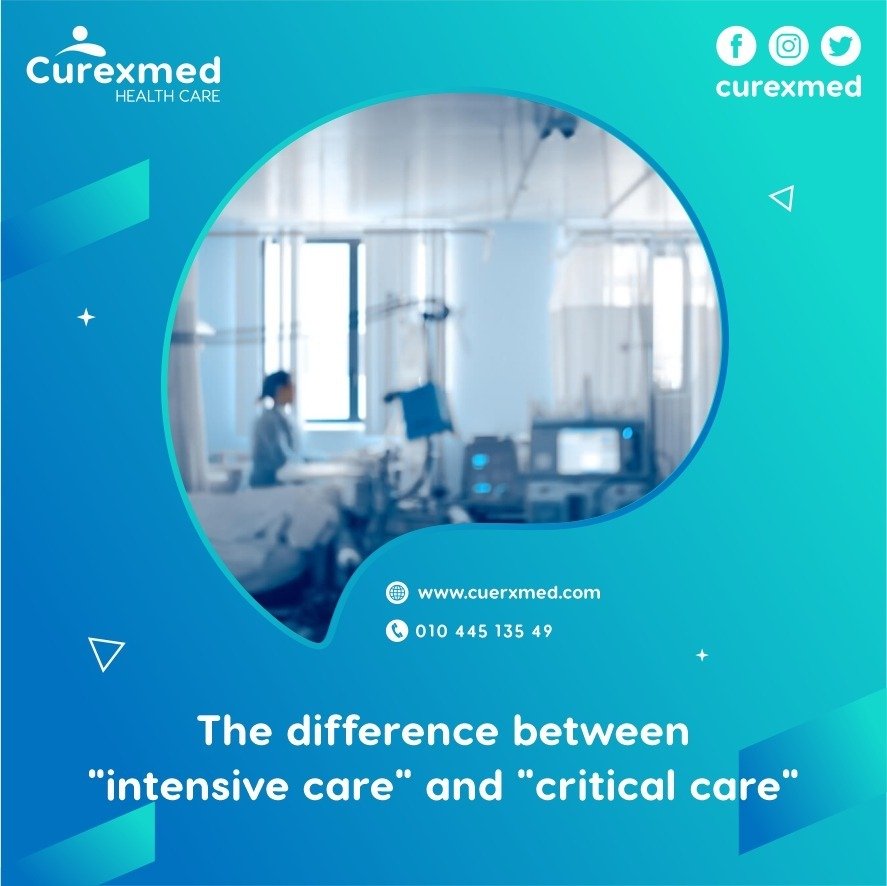
Critical care units provide medical support for patients suffering from serious illnesses or severe injuries that may threaten life and require 24/7 monitoring using advanced equipment. These units continuously track vital signs such as heart rate, blood pressure, oxygen levels, and level of consciousness, while enabling rapid intervention in case of sudden deterioration.
They also offer comprehensive treatment environments, including mechanical ventilation support, intravenous antibiotics, cardiac stimulants, or immunosuppressive therapies as needed. This level of care is essential in managing conditions such as heart attacks, brain hemorrhage, acute respiratory failure, and post-major surgery recovery.
At Curexmed, patients in critical care units receive a high level of professionalism and compassion, supported by advanced equipment and continuous monitoring systems that enable accurate and rapid medical decisions. The center also emphasizes communication with families and psychological support, creating a comprehensive healing environment aligned with international standards.
Read aslo: Critical Care in Giza
The Difference Between Intensive Care and Critical Care
The difference between intensive care and critical care is a crucial yet often overlooked topic, especially in critical situations requiring immediate and precise intervention. While some may assume both terms are identical, there are significant differences in terms of equipment, level of monitoring, medical staff specialization, and the types of cases handled.
Intensive care is more advanced and rigorous, designated for life-threatening conditions requiring immediate intervention and real-time monitoring—such as shock, organ failure, or severe post-operative complications.
In contrast, critical care is intended for patients who require moderate to high medical support but are not in immediate danger. It often serves as a transitional phase toward recovery or stability.
Intensive care relies on advanced monitoring systems, including ventilators and real-time tracking of vital signs, with specialized medical teams available around the clock. Meanwhile, critical care focuses on continuous support and gradual rehabilitation through individualized treatment plans and regular assessments.
Best Hospital with Intensive and Critical Care Units
When searching for the best hospital with intensive and critical care units, patient safety and quality care are top priorities. A distinguished healthcare facility must combine advanced medical technology, clinical expertise, and continuous psychological support.
Curexmed stands out as a trusted provider, offering exceptional services in both intensive and critical care units. The facility is equipped with state-of-the-art monitoring systems, ventilators, and highly trained medical staff capable of handling the most sensitive cases.
In addition, Curexmed emphasizes a holistic approach that includes psychological support and transparent communication with patients’ families, fostering trust and reducing anxiety during critical times.
Costs of Intensive Care and Critical Care
The costs of intensive care and critical care are a major concern for many families, especially given the increasing demand for high-quality medical services in critical situations.
Costs vary depending on several factors, including the patient’s condition, required medical interventions, duration of stay, and available equipment. Advanced technologies such as ventilators and real-time monitoring systems significantly influence the overall cost.
Critical care, being slightly less intensive, may have relatively lower costs but still depends on the level of care required and duration of treatment. Curexmed aims to provide a balance between quality and affordability, offering reliable healthcare solutions tailored to patients’ needs.
Is There a Difference Between Intensive Care and Critical Care?
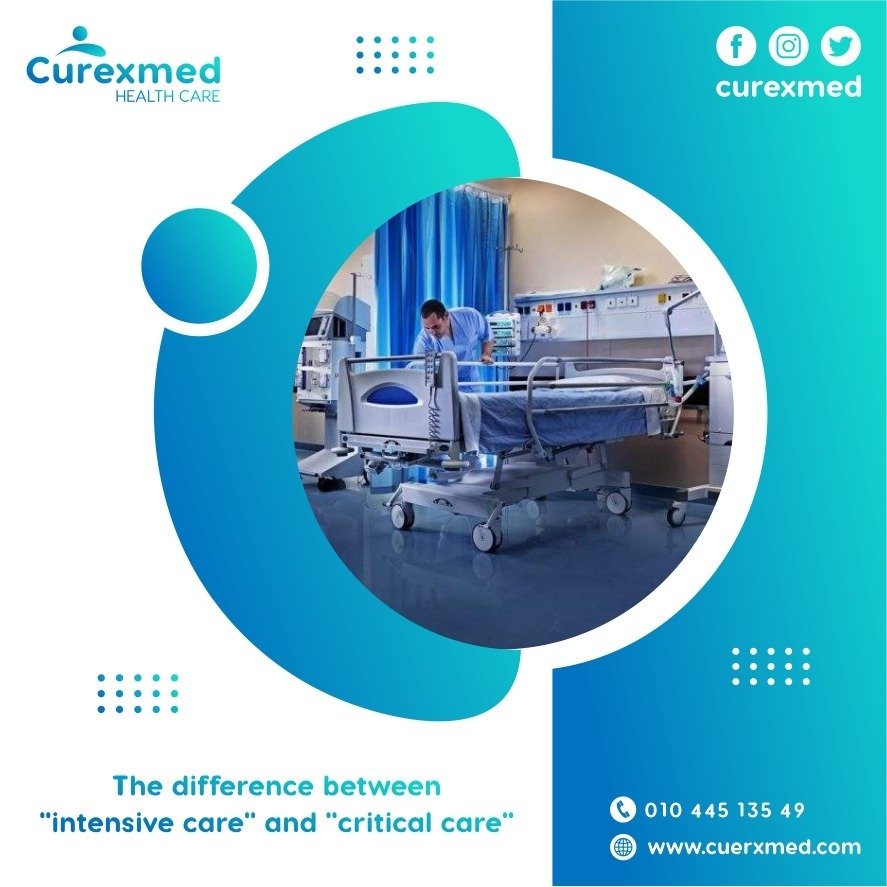
Yes, the difference between intensive care and critical care primarily lies in the level of medical intervention and the severity of the patient’s condition.
Intensive care is reserved for critically ill patients requiring immediate intervention and continuous monitoring with advanced equipment and specialized teams.
Critical care, however, involves a high level of support for less severe cases, focusing on continuous care with fewer emergency interventions.
At Curexmed, every patient undergoes a detailed evaluation to determine the most appropriate level of care, ensuring safety, efficiency, and optimal recovery outcomes.
When Does a Patient Leave Intensive Care?
The decision to discharge a patient from intensive care is based on precise medical evaluations and clinical indicators. It marks the transition from a critical stage to the beginning of recovery.
Key indicators include stable vital signs, improved organ function, and positive response to treatment. The absence of severe complications is also essential before transferring the patient to a lower level of care.
Why Are Patients Sedated in Intensive Care?
Patients are sedated in intensive care to reduce pain and anxiety, facilitate the use of advanced medical devices such as ventilators, and prevent involuntary movements that may interfere with treatment.
What Does Intensive Care Nursing Involve?
Intensive care nursing includes continuous monitoring of vital signs, accurate medication administration, assessing patient responses, supporting mechanical ventilation, managing catheters and tubes, and maintaining communication with doctors and families to ensure optimal patient stability and recovery.